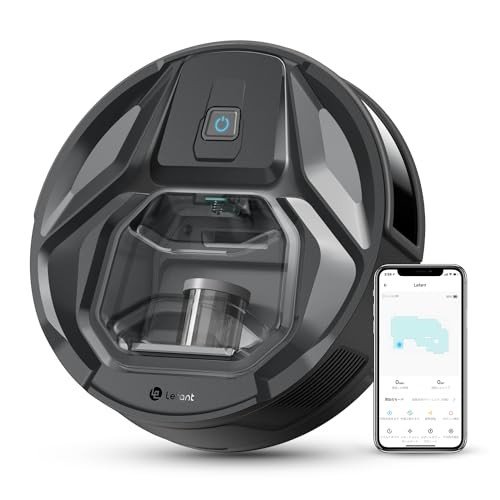
The Rise of Robot Hoovers and Mops: Revolutionizing Household Cleaning
In the age of quick technological development, the way people manage family tasks has gone through a considerable change. Among the most ingenious options are robot hoovers and mops-- devices created to automate the cleaning procedure, offering convenience, effectiveness, and a level of cleanliness that can frequently go beyond traditional cleaning approaches. This post explores the functionality, benefits, and factors to consider of robot hoovers and mops, in addition to some regularly asked concerns.
What Are Robot Hoovers and Mops?
Robot hoovers, commonly understood as robotic vacuum, are autonomous gadgets that can browse and clean floors without human intervention. Likewise, robot mops incorporate automated cleaning technology however are designed to damp tidy tough surface areas. Together, these gadgets represent a new frontier in household cleaning, integrating engineering, synthetic intelligence (AI), and sensor innovation.
Performance of Robot Hoovers and Mops
The standard functionality of robot hoovers and mops can be broken down into several essential features:
- Navigation and Mapping: Many modern robots come geared up with advanced mapping technologies, permitting them to produce a map of your home and efficiently navigate around barriers.
- Multiple Cleaning Modes: Users can pick from various cleaning modes, consisting of area cleaning for concentrated areas, edge cleaning for corners, and arranged cleaning for regular maintenance.
- Smart Connectivity: Many robot cleaners can link to Wi-Fi, enabling users to manage them via smart device apps and voice-activated assistants like Amazon Alexa or Google Assistant.
- Self-Charging: Most models return to their charging stations when their battery is low, ensuring they are always ready for the next cleaning cycle.
Benefits of Robot Hoovers and Mops
The advantages of incorporating robot hoovers and mops into your cleaning routine are extensive:
- Time-Saving: Users can maximize time that would otherwise be spent cleaning floors. The robot can operate while individuals take care of other tasks.
- Consistent Cleaning: These devices offer a consistent clean by frequently arranged cleaning sessions, which minimizes dirt and dust build-up.
- Accessibility: For individuals with movement issues, robot cleaners can decrease the physical pressure associated with conventional vacuuming and mopping.
- Smart Features: The connection to mobile devices allows for higher control and tracking, making sure cleaning regimens can be personalized based on user choice.
Considerations When Choosing a Robot Hoover or Mop
While robot hoovers and mops provide numerous benefits, customers need to think about specific aspects before making a purchase. These consist of:
- Floor Types: Not all robotics are produced equivalent; some may perform better on carpets, while others are enhanced for difficult floorings.
- Battery Life: Assess the runtime of the device. i was reading this have differing battery durations that might impact their cleaning capabilities.
- Dustbin Capacity: A bigger dustbin implies less regular emptying; consider your cleaning requires to see which design uses the right capacity.
- Upkeep Requirements: Like any appliance, robot cleaners require regular upkeep, including filter and brush replacement, to run successfully.
Popular Robot Hoovers and Mops on the Market
When it comes to picking a robot vacuum or mop, numerous models are preferred for their efficiency and functions. Below is a relative table highlighting a few of the leading devices currently readily available:
| Model | Type | Battery Life | Smart Features | Price Range |
|---|---|---|---|---|
| iRobot Roomba 694 | Vacuum | Approximately 90 minutes | App Control, Voice Command | ₤ 250 - ₤ 300 |
| Roborock S7 | Vacuum & & Mop Up to 180 minutes | Mapping, App Control | ₤ 400 - ₤ 550 | |
| Ecovacs Deebot Ozmo T8 | Vacuum & & Mop | As much as 180 minutes | Advanced Mapping | ₤ 600 - ₤ 700 |
| Shark IQ Robot | Vacuum | As much as 90 minutes | Self-Emptying, App Control | ₤ 400 - ₤ 600 |
| Neato D7 | Vacuum | Up to 120 min | D-shape for Edges, Mapping | ₤ 600 - ₤ 700 |
Keep in mind: Prices are approximate and subject to alter based upon seller promotions and accessibility.
Frequently Asked Questions about Robot Hoovers and Mops
1. Can robot hoovers and mops handle pet hair?
Yes, many robot vacuums and mops are created with effective suction and special brushes to successfully manage family pet hair. For best results, opt for designs particularly developed for homes with family pets.
2. How frequently should I run my robot cleaner?
This depends on your household's cleaning requirements. For hectic households, running the robot day-to-day may be advantageous, while less active homes might handle with 2 to 3 cleansings a week.
3. Do robot hoovers and mops deal with carpets?
Lots of robot vacuum designs are effective on carpets; however, the performance might vary. Designs with more powerful suction capabilities are much better matched for taking on dirt and family pet hair embedded in carpets.
4. Are robot mops effective on sticky floors?
Robot mops can handle light spots and spills, but their effectiveness on sticky floorings largely depends upon the kind of stain and the cleaning solution utilized. Harder stains might need manual scrubbing.
5. How do I keep my robot cleaner?
Regular maintenance includes clearing the dustbin, cleaning the brushes, and changing filters as recommended by the producer. Routinely make sure that sensors are clear from dust and particles.
Robot hoovers and mops have actually introduced a brand-new period of convenience in household cleaning, integrating technology with functionality. While they do not entirely change standard cleaning techniques, they serve as valuable assistants that can considerably minimize the time and effort required to keep a tidy home. As technology continues to advance, consumers can expect even more ingenious features that will enhance the effectiveness and efficiency of robotic cleaners, making them an integral part of contemporary family management.